|
Contents
section III-b: politics
'Be the master and
maker of
yourself'
F.
Nietzsche
Ordering, democracy and utopia
Section
III-A discussed the practice of
the personal in terms of meaning
and ritual. The idea was that in
order to be respected, one must
also respect others — nothing but
a fair deal. A religion that
involves regularly associating for
the sake of a holy person, who is
worthy of full respect along with
a holy scripture, constitutes a
school of learning. Throughout
history, these schools have come
and gone. From the succession of
schools, one can derive how they
fell short individually and how
the science of the person needed
to be upgraded and adapted to time
and circumstance. This upgrading
never ends; one must constantly
adapt to the times. The dynamic
nature of culture requires
constant reorientation and
readjustment, which, as we saw
with the method, entails
non-repressive progress. In his Theological-Political
Treatise, Baruch
Spinoza
(1632-1677) said that God's
providence is to be understood as
the order of nature itself.
Likewise, Vyâsa described it in
the Bhâgavatam,
calling nature the virâth rûpa, or
the gigantic form of God. The need
for constant adaptation to a
personally understood God
recognizes the dynamic element of
living nature as the universal
object of worship. The idea of God
as a dynamic natural reality
subject to personal choice is also
mentioned by modern physicists
like David
Bohm
(1917-1992) in Wholeness and the
Implicate Order and Fritjof
Capra
(1939) in The
Turning Point
(1982), for example. Thus, even if
we err in our understanding of the
constancy of light speed, new
physics offers a helping hand,
particularly through contributions
that do not deny the possibility
of a connecting element, such as
the ether. This is
politically important because the
concept of natural science forms
the basis for other sciences, just
as the creation story forms the
basis for the Bible and the
Purāṇa, an Indian book of holy
stories. The idea of how the world
originated and functions is
indicative of the rest of the
cultural superstructure. Drawing
from quantum mechanics and
rejecting a mechanical, fixed,
Cartesian dimensionality outside
the dimension of spacetime in the
new physics, Capra, much like the
New Age guru Osho, poetically
arrives at sayings such as: "There
is motion, but ultimately, there
are no moving objects. There is
activity, but ultimately, there
are no actors. There are no
dancers; there is only the dance."
New-age authors like Marilyn
Ferguson
also discuss the consequences of
the dynamical indeterminacy of the
true energetic self of the
universe. According to Ferguson,
we are all connected by this
premise of self-realization in
what she calls the "Aquarian
Conspiracy" in 1982. Regarding the
resistance to it, she st This is
politically important because the
concept of natural science forms
the basis for other sciences, just
as the creation story forms the
basis for the Bible and the
Purāṇa, an Indian book of holy
stories. The idea of how the world
originated and functions is
indicative of the rest of the
cultural superstructure. Drawing
from quantum mechanics and
rejecting a mechanical, fixed,
Cartesian dimensionality outside
the dimension of spacetime in the
new physics, Capra, much like the
New Age guru Osho, poetically
arrives at sayings such as: "There
is motion, but ultimately, there
are no moving objects. There is
activity, but ultimately, there
are no actors. There are no
dancers; there is only the dance."
New-age authors like Marilyn
Ferguson
also discuss the consequences of
the dynamical indeterminacy of the
true energetic self of the
universe. According to Ferguson,
we are all connected by this
premise of self-realization in
what she calls the "Aquarian
Conspiracy" in 1982. Regarding the
resistance to it, she st ates: "It's
not that we're afraid of change
or in love with the old ways.
It's the place in between that
we fear. It's like being between
trapezes. It's like Linus when
his blanket is in the dryer.
There's nothing to hold on to."
The old shoes are
worn out, and the new ones are not
yet comfortable. However, it is a
different type of consciousness
and a different way of seeing that
we must give shape to, following
the principle, in order to make
the transition with the order of
time possible, whether materially,
politically, technically, legally,
or individually, therapeutically.
Ferguson is right in her choice of
connectedness, operating from the
inside with a "Trojan heart," as
she said in
a 1995 interview. The same
old science must be reformulated
and adapted to the dynamic and
personal nature. Similarly, we
have a new constellation of the
same old planets time and again.
Without reevaluation and
adaptation to place, culture,
person, and time, one becomes
fixed, lost, or bewildered by
attachment, as Vyâsa puts it (S.B.
4.8:
54).
It is always an unfinished
structure, varying from the
classical themes of wisdom.
Historically, we first had the
Vedic culture, which was defeated
by time and fell on the basis of
the aristocracy's familial
attachments. Having become a
burden to Mother Earth, the
aristocracy wiped itself off the
planet in the great war of the
Mahabharata. In a similar way,
Greek philosophy came to an end
when the philosopher Socrates was
condemned to drink poison. This
proved that the state's authority
was undermined by the lesser
wisdom of the pretentious
formalism of the ruling class. The
moral of the story is stated in
the Gîtâ (3:
39):
"One must not upset the people
with one's wisdom." Buddhism
came to a fall with the Buddha's
death from food poisoning, which
led to a decline in human
tolerance for impurities and the
denial of the world as an
illusion. Like Arjuna blowing the
conch shell, one must hold one's
ground. Judaism fell
because of its impersonal,
institutional denial of the
living, personal God and the
inevitable Mes ates: "It's
not that we're afraid of change
or in love with the old ways.
It's the place in between that
we fear. It's like being between
trapezes. It's like Linus when
his blanket is in the dryer.
There's nothing to hold on to."
The old shoes are
worn out, and the new ones are not
yet comfortable. However, it is a
different type of consciousness
and a different way of seeing that
we must give shape to, following
the principle, in order to make
the transition with the order of
time possible, whether materially,
politically, technically, legally,
or individually, therapeutically.
Ferguson is right in her choice of
connectedness, operating from the
inside with a "Trojan heart," as
she said in
a 1995 interview. The same
old science must be reformulated
and adapted to the dynamic and
personal nature. Similarly, we
have a new constellation of the
same old planets time and again.
Without reevaluation and
adaptation to place, culture,
person, and time, one becomes
fixed, lost, or bewildered by
attachment, as Vyâsa puts it (S.B.
4.8:
54).
It is always an unfinished
structure, varying from the
classical themes of wisdom.
Historically, we first had the
Vedic culture, which was defeated
by time and fell on the basis of
the aristocracy's familial
attachments. Having become a
burden to Mother Earth, the
aristocracy wiped itself off the
planet in the great war of the
Mahabharata. In a similar way,
Greek philosophy came to an end
when the philosopher Socrates was
condemned to drink poison. This
proved that the state's authority
was undermined by the lesser
wisdom of the pretentious
formalism of the ruling class. The
moral of the story is stated in
the Gîtâ (3:
39):
"One must not upset the people
with one's wisdom." Buddhism
came to a fall with the Buddha's
death from food poisoning, which
led to a decline in human
tolerance for impurities and the
denial of the world as an
illusion. Like Arjuna blowing the
conch shell, one must hold one's
ground. Judaism fell
because of its impersonal,
institutional denial of the
living, personal God and the
inevitable Mes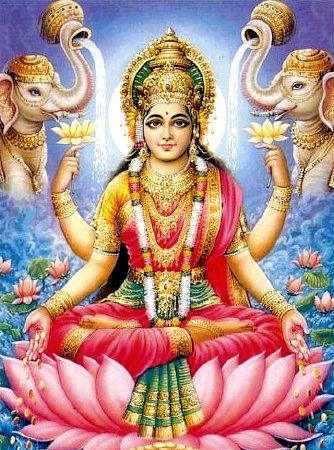 siah or
avatâra. Christianity
has a poor concept of time and an
insufficiently expressed Lord
Jesus. In this, he could not be
more specific than to state that,
with the abolishing of the lunar
calendar by Julius Caesar in 45
BCE (709 A.U.C.), it had to happen
on earth as it does in heaven. The
Lord, the Father, happens to be kâla,
Time. Islam, which obeys the
sun - recognized as
the will of God, Allah
- by following the times of
prayer, falls short due to its
fundamentalist, jihadist lust for
power and disrespect for other
forms of belief. He who always
wants to win will, by the golden
rule, have to lose sooner or
later. There are irrevocably
different avatIaras and
devotional cultures, each with
their own historical purpose. The
Reformation, with its emphasis on
compassion and social integration,
must expand beyond Christian
theological opposition and
one-sidedness into a more
multicultural, rationalistic, and
empirical enlightenment of
expanding consciousness. The
reformer S'rî
Caitanya
(1486-1543) concluded that there
is an "inscrutable oneness in
diversity." Next, the Enlightenment
culture, entirely predictable from
natural entropy*, falls due to a
lack of consistency and
philosophical unequivocality. The
French Revolution faults all
elitist and false
subjective/empirical
individualism. As we already knew,the
philosopher must sing.
In a social/revolutionary sense,
democracy was finally defended
with the French Revolution.
Liberal and conservative forces
found themselves in opposition to
the dictatorships of communism,
militaristic fascism, and
fundamentalism because the cards
of human identity have been
shuffled, as is also confirmed in
the Vedas. At the onset of the
twenty-first century, we are
awaiting the definitive fall of
the capitalist dictate, which is
lustful and particularly unjust
internationally. It sanctifies
commercial strife, and the limit
of possible corruption in human
fields of action will have
been reached in nepotistic
democracy, which is founded on
friends and family and constantly
runs into dictatorship, as
discussed in section Ib. In the
end, the Hindu goddess of money,
S'rî Lakshmî, is merely a servant
of Lord Vishnu, the god of
goodness and maintenance.
Friendship politics, the
combination of wealth and
connections, and democracy do not
mix well, as the philosopher
Thomas Hobbes
(1588-1679) showed in his
Leviathan. He knew only three
forms of state: monarchy,
democracy, and aristocracy—the
people represented by one man, an
assembly of all willing
participants, and a part of that
assembly. Nepotism transforms
democracy into an aristocracy in
disguise. In the event of
dissension with the populace
- not so surprising when the
"nobles" are chosen and aim for
more lucrative positions in
industrial circles -
Hobbes calls this an oligarchy. It
is a culture of regents far
removed from the people, and the
monarchy was introduced in the
Netherlands, for example, to
counter it. However, a monarchy
that uses many illusory smoke
curtains of fake democratic
left-right changes to prove itself
to be a culture of regents for
which the populace has only
dissent is, according to Hobbes's
logic, a tyranny. In our case, it
is a capitalist dictatorship, a
confluence of a flawed combination
of capital and philosophy, and a
misperception of political power.
Only the complacency of the
anxious, capital-motivated majority
represses and violates minorities.
This majority thinks less of the
volunteer in service of God,
calling him "unemployed" and
declaring him subservient to
Mammon. This unjust treatment
neglects the rest of the world and
makes one think one is a democrat.
False and ignorant contentment
with factual injustice does not
create a stable state. Thus, one
could say that the majority of
voters bears no justice and has a
false idea of democracy.Republican
democracy, or monarchy, is only
real when justice is served for
everyone, not just a majority of
60% or 80%. Thus, we need a
general consensus about installing
election groups (see also synopsis)
in an order that does not allow
mutual repression by a majority
vote. The majority must manage to
protect itself against itself
based on a consensus about this
self-knowledge. In "The Social
Contract" II.3, Rousseau (see also
"Charter
of Order")
wrote about this: "In order to
truly obtain the general will,
it is important that no group is
split off from the state and
that each citizen is only
opinionated from his own
stance." Such was the case with
the eminent state order of the
great Lycurgus. If there are any
groups split off, their number
must be increased, and they must
be made equally large, as Solon,
Numa, and Servius did. These
precautionary measures are the
only right ones to ensure that
the general will (as opposed to
the specific will) clearly and
constantly surfaces, and that
the people are not misled."
Power is divided among
proportionately represented, fixed
election groups, so that it belongs
to no one but God (see
further "A
Small Philosophy of
Association"). siah or
avatâra. Christianity
has a poor concept of time and an
insufficiently expressed Lord
Jesus. In this, he could not be
more specific than to state that,
with the abolishing of the lunar
calendar by Julius Caesar in 45
BCE (709 A.U.C.), it had to happen
on earth as it does in heaven. The
Lord, the Father, happens to be kâla,
Time. Islam, which obeys the
sun - recognized as
the will of God, Allah
- by following the times of
prayer, falls short due to its
fundamentalist, jihadist lust for
power and disrespect for other
forms of belief. He who always
wants to win will, by the golden
rule, have to lose sooner or
later. There are irrevocably
different avatIaras and
devotional cultures, each with
their own historical purpose. The
Reformation, with its emphasis on
compassion and social integration,
must expand beyond Christian
theological opposition and
one-sidedness into a more
multicultural, rationalistic, and
empirical enlightenment of
expanding consciousness. The
reformer S'rî
Caitanya
(1486-1543) concluded that there
is an "inscrutable oneness in
diversity." Next, the Enlightenment
culture, entirely predictable from
natural entropy*, falls due to a
lack of consistency and
philosophical unequivocality. The
French Revolution faults all
elitist and false
subjective/empirical
individualism. As we already knew,the
philosopher must sing.
In a social/revolutionary sense,
democracy was finally defended
with the French Revolution.
Liberal and conservative forces
found themselves in opposition to
the dictatorships of communism,
militaristic fascism, and
fundamentalism because the cards
of human identity have been
shuffled, as is also confirmed in
the Vedas. At the onset of the
twenty-first century, we are
awaiting the definitive fall of
the capitalist dictate, which is
lustful and particularly unjust
internationally. It sanctifies
commercial strife, and the limit
of possible corruption in human
fields of action will have
been reached in nepotistic
democracy, which is founded on
friends and family and constantly
runs into dictatorship, as
discussed in section Ib. In the
end, the Hindu goddess of money,
S'rî Lakshmî, is merely a servant
of Lord Vishnu, the god of
goodness and maintenance.
Friendship politics, the
combination of wealth and
connections, and democracy do not
mix well, as the philosopher
Thomas Hobbes
(1588-1679) showed in his
Leviathan. He knew only three
forms of state: monarchy,
democracy, and aristocracy—the
people represented by one man, an
assembly of all willing
participants, and a part of that
assembly. Nepotism transforms
democracy into an aristocracy in
disguise. In the event of
dissension with the populace
- not so surprising when the
"nobles" are chosen and aim for
more lucrative positions in
industrial circles -
Hobbes calls this an oligarchy. It
is a culture of regents far
removed from the people, and the
monarchy was introduced in the
Netherlands, for example, to
counter it. However, a monarchy
that uses many illusory smoke
curtains of fake democratic
left-right changes to prove itself
to be a culture of regents for
which the populace has only
dissent is, according to Hobbes's
logic, a tyranny. In our case, it
is a capitalist dictatorship, a
confluence of a flawed combination
of capital and philosophy, and a
misperception of political power.
Only the complacency of the
anxious, capital-motivated majority
represses and violates minorities.
This majority thinks less of the
volunteer in service of God,
calling him "unemployed" and
declaring him subservient to
Mammon. This unjust treatment
neglects the rest of the world and
makes one think one is a democrat.
False and ignorant contentment
with factual injustice does not
create a stable state. Thus, one
could say that the majority of
voters bears no justice and has a
false idea of democracy.Republican
democracy, or monarchy, is only
real when justice is served for
everyone, not just a majority of
60% or 80%. Thus, we need a
general consensus about installing
election groups (see also synopsis)
in an order that does not allow
mutual repression by a majority
vote. The majority must manage to
protect itself against itself
based on a consensus about this
self-knowledge. In "The Social
Contract" II.3, Rousseau (see also
"Charter
of Order")
wrote about this: "In order to
truly obtain the general will,
it is important that no group is
split off from the state and
that each citizen is only
opinionated from his own
stance." Such was the case with
the eminent state order of the
great Lycurgus. If there are any
groups split off, their number
must be increased, and they must
be made equally large, as Solon,
Numa, and Servius did. These
precautionary measures are the
only right ones to ensure that
the general will (as opposed to
the specific will) clearly and
constantly surfaces, and that
the people are not misled."
Power is divided among
proportionately represented, fixed
election groups, so that it belongs
to no one but God (see
further "A
Small Philosophy of
Association").
It is the
"easygoing" fake democracy of
nepotism that is wasting her talents
due to a lack of societal structure.
There is no system of fixed election
groups that represent all vocational
and professional groups, which would
balance each other at the
governmental level. This discourages
those qualities. Consequently, one
sees the political character
decline. It is therefore paramount
to educate democracy anew. As Alexis
de Tocqueville
(1805-1859) stated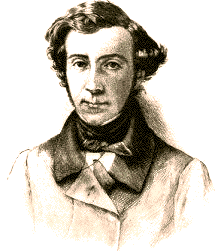 right away
in the preface to his study on democracy
in America:
"The first duty, which is at this
time imposed upon those who direct
our affairs, is to educate the
democracy; to warm its faith, if
that be possible; to purify its
morals; to direct its energies; to
substitute a knowledge of business
for its inexperience, and an
acquaintance with
its true interests for its blind
propensities; to adapt its
government to time and place, and
to modify it in compliance with
the occurrences and the actors of
the age. A new science of politics
is indispensable to a new world."
In this context, we emphasize the
notions of time and place
because they are the essence of
our plea for the ether and the
associated order of time. According
to Plato's "The
Republic"
and "Seventh
Letter,"
this re-education is the
responsibility of the philosopher,
who is the boss, the
philosopher-king. Otherwise, it is
the duty of the king or ruler, who
must be a philosopher. In Vaishnava
culture, one speaks of the spiritual
master, or the ācārya, who is the
mahārāja, or the "great king," even
though he stands more for liberation
through devotional service than for
enlightenment through
self-realization, a concept more
closely associated with the
independent esoteric guru. In the
Christian culture, which was not yet
as aware of the different types of
teachers as explained in section
III-a of the synopsis,
this would account for the
difference between a theologian who
preaches liberation through service
in the religious community and a
psychologist/psychotherapist who
wants to educate people about
enlightenment and a philosophically
responsible way of self-realization,
rather than stressing outside
authorities. With guidance poised
between these two forces of
progress, it's clear that without a
philosophically founded reform or
reeducation of democracy, without
constant upgrades to the democratic
order, and without the filognosy
thereof - centered on the gnosis,
dependent on the enlightenment of
science and liberation in service to
God - we will inevitably fall back
into the darkness of dictatorship
and moralism, the shadow side of
ignorantly understood freedom. The
competition between teachers of
initiation and teachers of
instruction, along the dimensions of
the impersonal, local, and personal,
must come to a stop, with the
filognosy and respect
therewhith for the enlightenment of
teachers operating from within. In
terms of our filognosy, each must
know his place. As the Japanese
Confucian philosopher Ogyu
Sorai
(1666-1728) said in his "Rules of
Study-6": 'A noble man therefore
is 'not prejudiced' in matters of
right and wrong, good and bad. Bad
is when something is not fed and
does not find its deserved place.
Good is to feed and let something
realize its full potential, and
see to it that it finds its place'.
This last section, III-b, aims to
give shape to the desired
revitalization of democracy through
the medium of filognosy. right away
in the preface to his study on democracy
in America:
"The first duty, which is at this
time imposed upon those who direct
our affairs, is to educate the
democracy; to warm its faith, if
that be possible; to purify its
morals; to direct its energies; to
substitute a knowledge of business
for its inexperience, and an
acquaintance with
its true interests for its blind
propensities; to adapt its
government to time and place, and
to modify it in compliance with
the occurrences and the actors of
the age. A new science of politics
is indispensable to a new world."
In this context, we emphasize the
notions of time and place
because they are the essence of
our plea for the ether and the
associated order of time. According
to Plato's "The
Republic"
and "Seventh
Letter,"
this re-education is the
responsibility of the philosopher,
who is the boss, the
philosopher-king. Otherwise, it is
the duty of the king or ruler, who
must be a philosopher. In Vaishnava
culture, one speaks of the spiritual
master, or the ācārya, who is the
mahārāja, or the "great king," even
though he stands more for liberation
through devotional service than for
enlightenment through
self-realization, a concept more
closely associated with the
independent esoteric guru. In the
Christian culture, which was not yet
as aware of the different types of
teachers as explained in section
III-a of the synopsis,
this would account for the
difference between a theologian who
preaches liberation through service
in the religious community and a
psychologist/psychotherapist who
wants to educate people about
enlightenment and a philosophically
responsible way of self-realization,
rather than stressing outside
authorities. With guidance poised
between these two forces of
progress, it's clear that without a
philosophically founded reform or
reeducation of democracy, without
constant upgrades to the democratic
order, and without the filognosy
thereof - centered on the gnosis,
dependent on the enlightenment of
science and liberation in service to
God - we will inevitably fall back
into the darkness of dictatorship
and moralism, the shadow side of
ignorantly understood freedom. The
competition between teachers of
initiation and teachers of
instruction, along the dimensions of
the impersonal, local, and personal,
must come to a stop, with the
filognosy and respect
therewhith for the enlightenment of
teachers operating from within. In
terms of our filognosy, each must
know his place. As the Japanese
Confucian philosopher Ogyu
Sorai
(1666-1728) said in his "Rules of
Study-6": 'A noble man therefore
is 'not prejudiced' in matters of
right and wrong, good and bad. Bad
is when something is not fed and
does not find its deserved place.
Good is to feed and let something
realize its full potential, and
see to it that it finds its place'.
This last section, III-b, aims to
give shape to the desired
revitalization of democracy through
the medium of filognosy.
In the
postmodern era, we are now
experiencing the exhaustion of
synergy. Living under a regime of
artificiality and fragmentation, we
understand faith only as, the way the
philosopher Jean-François
Lyotard
(1924-1998) put it,
a negative and cynical realization
of lost modernist ideals. Society
has fallen apart as if it were meat
in a butcher's display case, and
hope for an all-encompassing
solution has been abandoned. One
could describe the postmodern
situation as the lamentation of the
somewhat too negativistic and
power-minded philosopher F.
Nietzsche
(1844-1900), who wrote about an
intellectual depression that
literally caused him,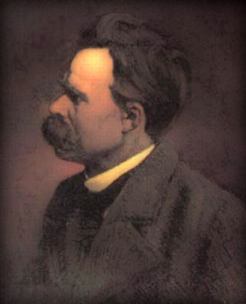 with a
brain feverish of venereal disease,
to fall to his knees in tears when
he saw a whipped horse in the
street. Based on philosophers who
are no longer considered acceptable
today, along with social activists
like Vladimir
Lenin
(1870-1924) and the equally
anti-religious Karl
Marx
(1818-1883), postmodern man knows
only one belief and mantra: "That's
nonsense!" Disappointed by the
enduring abuse of human beings,
religion is seen as nothing but
hypocritical nonsense. But wasn't it
the ancient philosopher Epicurus
(341–270 BCE) who, in his "Letter to
Menoeceus," said that 'Not the
man who denies the gods that are
worshiped by the masses, but the
one who ascribes to the gods what
the mass believes about them, is
godless'? Marx is not
entirely without a form of belief or
a God. He also builds on a
connecting element: 'There is, in
every social formation, a branch
of production which determines the
position and importance of all
others; and the relations
obtaining in this branch
accordingly determine the
relations of all other branches,
as well. It is as though light of
a particular hue were cast upon
everything, tinging all other
colors and modifying their special
features; or as if a special ether
determined the specific gravity of
everything found in it.'
He writes this in his "'Introduction
to a contribution to a
critique of political
economy"
However, he probably deems himself
and the adherents of his
historical-materialist theory as the
embodiment of that ether. With the
atheistic cry of nonsense, which was
classically pronounced over the
disbeliever after Epicurus, not so
much over God and his gods, the
materialistic doctrine was
nevertheless put into practice
worldwide at the onset of the
twenty-first century. This doctrine
is based on the belief in sex and
money, and worships the idols called
Mammon and Viagra. In this
disbelief, everyone who dares to
voice an unrealizable ideal is
dismissed, contrary to the
misanthropic, yet perverse,
relativistic/cynical paradigm. with a
brain feverish of venereal disease,
to fall to his knees in tears when
he saw a whipped horse in the
street. Based on philosophers who
are no longer considered acceptable
today, along with social activists
like Vladimir
Lenin
(1870-1924) and the equally
anti-religious Karl
Marx
(1818-1883), postmodern man knows
only one belief and mantra: "That's
nonsense!" Disappointed by the
enduring abuse of human beings,
religion is seen as nothing but
hypocritical nonsense. But wasn't it
the ancient philosopher Epicurus
(341–270 BCE) who, in his "Letter to
Menoeceus," said that 'Not the
man who denies the gods that are
worshiped by the masses, but the
one who ascribes to the gods what
the mass believes about them, is
godless'? Marx is not
entirely without a form of belief or
a God. He also builds on a
connecting element: 'There is, in
every social formation, a branch
of production which determines the
position and importance of all
others; and the relations
obtaining in this branch
accordingly determine the
relations of all other branches,
as well. It is as though light of
a particular hue were cast upon
everything, tinging all other
colors and modifying their special
features; or as if a special ether
determined the specific gravity of
everything found in it.'
He writes this in his "'Introduction
to a contribution to a
critique of political
economy"
However, he probably deems himself
and the adherents of his
historical-materialist theory as the
embodiment of that ether. With the
atheistic cry of nonsense, which was
classically pronounced over the
disbeliever after Epicurus, not so
much over God and his gods, the
materialistic doctrine was
nevertheless put into practice
worldwide at the onset of the
twenty-first century. This doctrine
is based on the belief in sex and
money, and worships the idols called
Mammon and Viagra. In this
disbelief, everyone who dares to
voice an unrealizable ideal is
dismissed, contrary to the
misanthropic, yet perverse,
relativistic/cynical paradigm.
Postmodern
philosopher Jacques Derrida
(1930-2004) spoke of deconstruction
in reference to appreciating
interpretive, human forms of
existence, or "texts," as he called
them. Each person can interpret them
as they wish, so it would be
impossible to arrive at a complete,
coherent concept, or society. He is
correct in saying that books alone
are insufficient and that, mutual
exercising respect, texts,
never deliver an all-encompassing or
coherent image of reality.It is also
certain that, during a depression,
when one lacks clarity of thought,
one may indeed experience a literal
deconstruction of one's perception
of time. A depressed person is
disturbed by the triple nature of
time: the past is black, the future
is invisible, and the present is
unpleasant. Culturally, he breeds a
generation of people with no future
who suffer from what psychologists
like Martin
Seligman
call "learned helplessness," a
mental affliction of self-doubt, in
which no solace can be found in an
absolute reference that we could
call God and by which we could pull
ourselves out of our misery. We also
saw that relativism,
a combination of scientific power
and philosophical knowledge
traditionally decried by the Pope
and a exposed as a compensation,
came to a fall with the refutation
of Einstein building on a
non-existent limit of light speed.
Einstein appeared to be the god and
prophet of relativity, but according
to different empirical results of
scientific experiments about the
speed of light at the beginning of
this century, he was not
irrefutable.
 Although it
is difficult to prove materially
because it is bound by paradigms, it
must be said that the ether simply
exists. In that context, we must
speak of the Milky Way's force field
as a fixed frame of reference. Time
did not turn out to be absolute in
its velocity, but it was absolute in
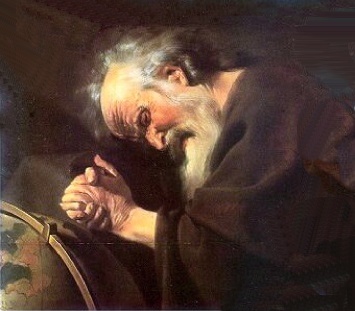
the quality of its change. As Herakleitos
(535–447 BCE) said, everything is in
flux; 'panta rhei." The relativistic
depression, rampant in the political
era after Nietzsche due to the
inability to supersede Marx's
atheistic social idealism, is thus
unmasked as a form of attachment in
defiance of change. This is contrary
to the absolute authority of our
dynamical Father of Time and His
sacred ether - the factual godhead
of the classics, which Nietzsche
declared to be as dead as the mean,
mechanical time of the hopelessly
outdated clock. Even a schoolboy
these days can lecture physicists on
the outdated standard time paradigm,
which is too linear. In 2003, the
talented young man Peter
Lynds (born
1975) succeeded in stating (even
before Consoli's interpretation of
Düsseldorf) that there are no
separate moments of time and that
only continuous change exists, which
one could consider absolute.
Furthermore, cynicism—the canine
variety of biting sarcasm - never
turned out to be a successful rule
of state apart Although it
is difficult to prove materially
because it is bound by paradigms, it
must be said that the ether simply
exists. In that context, we must
speak of the Milky Way's force field
as a fixed frame of reference. Time
did not turn out to be absolute in
its velocity, but it was absolute in
the quality of its change. As Herakleitos
(535–447 BCE) said, everything is in
flux; 'panta rhei." The relativistic
depression, rampant in the political
era after Nietzsche due to the
inability to supersede Marx's
atheistic social idealism, is thus
unmasked as a form of attachment in
defiance of change. This is contrary
to the absolute authority of our
dynamical Father of Time and His
sacred ether - the factual godhead
of the classics, which Nietzsche
declared to be as dead as the mean,
mechanical time of the hopelessly
outdated clock. Even a schoolboy
these days can lecture physicists on
the outdated standard time paradigm,
which is too linear. In 2003, the
talented young man Peter
Lynds (born
1975) succeeded in stating (even
before Consoli's interpretation of
Düsseldorf) that there are no
separate moments of time and that
only continuous change exists, which
one could consider absolute.
Furthermore, cynicism—the canine
variety of biting sarcasm - never
turned out to be a successful rule
of state apart from the
isolationism and paranoia of
autarkies like Hitler's
Germany and Pol
Pot's
Cambodia. Rather, it constitutes a
mental aberration, possibly
involving sociopathic abreaction, of
interest mainly to practicing
psychologists and psychiatrists.
Intellectually perverted by the
negativism of a mutually reinforced
cultural pessimism - much like a
cult leader, for example - one
gladly and dutifully maintains the
appearance of authority, progress,
and civilization, but, deranged by
postmodernism, one has in fact gone
bankrupt personally, intellectually,
and socially, and, plagued by
identity insecurity, has thereby
lost one’s philosophical bearings,
However, one is, in fact,
personally, intellectually, and
socially bankrupt. One is disturbed,
postmodern, and uncertain about
one's identity, thereby being lost
philosophically, as we noted
with the declaration
of order.
This is the conclusion with which we
must work in the final part of our
comprehension of filognosy.
As we near the end of our argument,
it is clear that without a sober,
methodical approach; proper
knowledge of facts; effective,
artistic analysis; a fine,
disciplined sense of spiritual
unification according to principle;
and well-organized respect for
classical, meek, and brotherly
coexistence and succession of
spiritual schools of learning, there
can be no meaningful political
approach of respect for - and from -
the civilized person in all his
historical, social, and scientific
glory. Evidently, with only a
color-sensitive ego, an
economic/judicial argument, a
conservative attitude toward private
decency and virtue, and a single
socialist ideal of honest sharing,
we will not be able to cope
politically. Dictatorships derived
from a politicized consciousness
will not last because of the
inequity they represent through
their one-sided dictates. The
Tocqueville says thereto: 'The
consequence of this has been that
the democratic revolution has been
effected only in the material
parts of society, without that
concomitant change in laws, ideas,
customs, and manners which was
necessary to render such a
revolution beneficial.' For
democracy to truly be a blessing, we
must acknowledge that a change in
consciousness is required to improve
its quality. Thus, we arrived at filognosy,
which, when understood from the
causality of the person or the
factual substance of our
investigation, demands scientific
sobriety and principled spirituality
as preconditions, or else presents
these as indispensable elements
needed to enjoy the fruits of a
beneficial political disposition of
emancipated people taking
responsibility. from the
isolationism and paranoia of
autarkies like Hitler's
Germany and Pol
Pot's
Cambodia. Rather, it constitutes a
mental aberration, possibly
involving sociopathic abreaction, of
interest mainly to practicing
psychologists and psychiatrists.
Intellectually perverted by the
negativism of a mutually reinforced
cultural pessimism - much like a
cult leader, for example - one
gladly and dutifully maintains the
appearance of authority, progress,
and civilization, but, deranged by
postmodernism, one has in fact gone
bankrupt personally, intellectually,
and socially, and, plagued by
identity insecurity, has thereby
lost one’s philosophical bearings,
However, one is, in fact,
personally, intellectually, and
socially bankrupt. One is disturbed,
postmodern, and uncertain about
one's identity, thereby being lost
philosophically, as we noted
with the declaration
of order.
This is the conclusion with which we
must work in the final part of our
comprehension of filognosy.
As we near the end of our argument,
it is clear that without a sober,
methodical approach; proper
knowledge of facts; effective,
artistic analysis; a fine,
disciplined sense of spiritual
unification according to principle;
and well-organized respect for
classical, meek, and brotherly
coexistence and succession of
spiritual schools of learning, there
can be no meaningful political
approach of respect for - and from -
the civilized person in all his
historical, social, and scientific
glory. Evidently, with only a
color-sensitive ego, an
economic/judicial argument, a
conservative attitude toward private
decency and virtue, and a single
socialist ideal of honest sharing,
we will not be able to cope
politically. Dictatorships derived
from a politicized consciousness
will not last because of the
inequity they represent through
their one-sided dictates. The
Tocqueville says thereto: 'The
consequence of this has been that
the democratic revolution has been
effected only in the material
parts of society, without that
concomitant change in laws, ideas,
customs, and manners which was
necessary to render such a
revolution beneficial.' For
democracy to truly be a blessing, we
must acknowledge that a change in
consciousness is required to improve
its quality. Thus, we arrived at filognosy,
which, when understood from the
causality of the person or the
factual substance of our
investigation, demands scientific
sobriety and principled spirituality
as preconditions, or else presents
these as indispensable elements
needed to enjoy the fruits of a
beneficial political disposition of
emancipated people taking
responsibility.

With religion
as the study we never graduate from,
and politics as the right-minded
practice to it which time and again
has to recapitulate and adapt, confer
and revise, we have arrived
at the necessity of a reliable,
thorough vision for the future.
Without a clearly outlined ideal,
without a purpose in mind, as said,
postmodern mankind is not capable of
emerging, from it's narcomaniac,
anxiety-neurotic, obsessive depression
and cynicism, as being cured and thus
being capable of finding a
rational/democratic equilibrium
between the charitable enlightened
humanistic, and the materially
motivated, traditional
moralistic/pragmatic 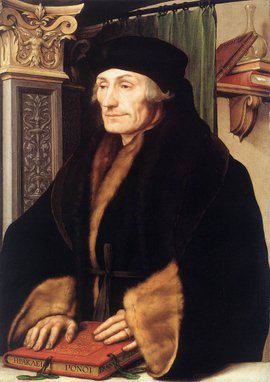 argument.
What should we do when we, whether
depressed with Nietzsche or not, have
to accept our responsibility, not
being able any longer to play hide and
seek behind the back of the
traditional authorities of in fact the
parson and the reverend? Who can tell
us, grown-ups of intellectual
independence, what we would have
learned and would have to engage in
next? Would that be science, so
divided in itself? That is, despite of
the behavioral side of science and
theology, not personal enough. With
the answer found in the commentaries
of oppositional, dialectical and
democratic politics, and therewith
theologically following in the
footsteps of Desiderius
Erasmus (1466 or 1469-1536)
who stated that: 'It is wrong like
children to hold on to the letter
and not mature to the freedom of the
spirit', we see the greek
word of polis emerging as the
etymological root of the concept of
politics, meaning a city or community
determined by a certain exercise of
authority or form of administration.
It is evident that we, from the
scientific via the spiritual and the
religiosity of personal confessions
and conversions, having arrived at the
political perspective, the 'talent to
rule' the polis, we inevitably
have to ponder over the authority and
the powers that be in holding together
our society(-ies) on this planet. argument.
What should we do when we, whether
depressed with Nietzsche or not, have
to accept our responsibility, not
being able any longer to play hide and
seek behind the back of the
traditional authorities of in fact the
parson and the reverend? Who can tell
us, grown-ups of intellectual
independence, what we would have
learned and would have to engage in
next? Would that be science, so
divided in itself? That is, despite of
the behavioral side of science and
theology, not personal enough. With
the answer found in the commentaries
of oppositional, dialectical and
democratic politics, and therewith
theologically following in the
footsteps of Desiderius
Erasmus (1466 or 1469-1536)
who stated that: 'It is wrong like
children to hold on to the letter
and not mature to the freedom of the
spirit', we see the greek
word of polis emerging as the
etymological root of the concept of
politics, meaning a city or community
determined by a certain exercise of
authority or form of administration.
It is evident that we, from the
scientific via the spiritual and the
religiosity of personal confessions
and conversions, having arrived at the
political perspective, the 'talent to
rule' the polis, we inevitably
have to ponder over the authority and
the powers that be in holding together
our society(-ies) on this planet.
People, as
they grapple with moral authority
and the exercise of power, are
quite eager - out of a sense of
adult responsibility - to step
into God’s shoes. But
appropriating that power creates
problems - problems 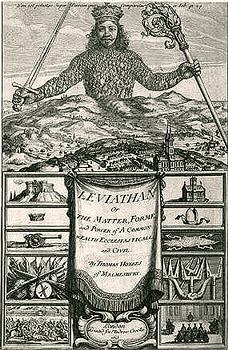 that
one inevitably encounters in
politics. In the 2003 film Bruce
Almighty,
directed by Tom Shadyac, there is
a nice story about it. It is about
the story of a frustrated reporter
who sees everything working
against him in life. He challenges
God to prove that He is not lazy
and not doing His duty. God proves
himself by handing his powers over
to the reporter, but not without
stipulating two rules: he cannot
claim to be God and must respect
the free will of others. Our hero,
hilariously portrayed by Jim
Carrey, ultimately relinquishes
his absolute power and realizes
that love and goodness rule the
world, not special abilities,
which cannot subdue free will
anyway. The combination of freedom
and authority is a philosophical
problem. In his 1651 book Leviathan,
philosopher Thomas
Hobbes
(1588-1679) clarifies that
accepting a certain form of
authority, whether from God or
not, is inevitable if we do not
want to end up in a chaos of
"everyone against everyone." V.
G. Childe,
(1892-1957), an Australian
archaeologist, following the
dialectical reasoning of the
philosopher G.
W. F. Hegel
(1770-1831) stated that each state
rule implies a dominance of
hierarchy, a pecking order, and a
stratification of societal
classes. Childe observed this
emerging from the free gathering
and hunting man of nature who
managed to organize himself in a
"revolutionary" way, transitioning
from agriculture to city life and
thus arriving at a division of
labor. From his Marxist
perspective, he saw an evolution
of state forms in a "struggle
about the means," such as stone,
bronze, and iron, with the thereto
belonging eras that still bear
those names.Thanks to T. Kuhn
(1922-1996), we now know that the
"struggle" must be considered
paradigmatic and not directly
social. Even though matters may
sometimes work maliciously out in
a downward direction, it is more
what is going on in the upper
regions than in the lower ones. As
early as in The
Republic,
Plato spoke of a hierarchy of
state rules offering the
perspective of an aristocracy of
nobles. This hierarchy slides down
in the direction of a tardy
bureaucratic democracy of
politically belligerent
representatives of a doubtful
heritage. Desperate for authority,
this hierarchy eventually corrupts
into a dictatorship of "I am God."
The Vedic tradition also offers a
vision of such a state of affairs,
depicting the decline of noble
rule into the chaotic, chronic
quarrels of the age of Kali Yuga.
However, t that
one inevitably encounters in
politics. In the 2003 film Bruce
Almighty,
directed by Tom Shadyac, there is
a nice story about it. It is about
the story of a frustrated reporter
who sees everything working
against him in life. He challenges
God to prove that He is not lazy
and not doing His duty. God proves
himself by handing his powers over
to the reporter, but not without
stipulating two rules: he cannot
claim to be God and must respect
the free will of others. Our hero,
hilariously portrayed by Jim
Carrey, ultimately relinquishes
his absolute power and realizes
that love and goodness rule the
world, not special abilities,
which cannot subdue free will
anyway. The combination of freedom
and authority is a philosophical
problem. In his 1651 book Leviathan,
philosopher Thomas
Hobbes
(1588-1679) clarifies that
accepting a certain form of
authority, whether from God or
not, is inevitable if we do not
want to end up in a chaos of
"everyone against everyone." V.
G. Childe,
(1892-1957), an Australian
archaeologist, following the
dialectical reasoning of the
philosopher G.
W. F. Hegel
(1770-1831) stated that each state
rule implies a dominance of
hierarchy, a pecking order, and a
stratification of societal
classes. Childe observed this
emerging from the free gathering
and hunting man of nature who
managed to organize himself in a
"revolutionary" way, transitioning
from agriculture to city life and
thus arriving at a division of
labor. From his Marxist
perspective, he saw an evolution
of state forms in a "struggle
about the means," such as stone,
bronze, and iron, with the thereto
belonging eras that still bear
those names.Thanks to T. Kuhn
(1922-1996), we now know that the
"struggle" must be considered
paradigmatic and not directly
social. Even though matters may
sometimes work maliciously out in
a downward direction, it is more
what is going on in the upper
regions than in the lower ones. As
early as in The
Republic,
Plato spoke of a hierarchy of
state rules offering the
perspective of an aristocracy of
nobles. This hierarchy slides down
in the direction of a tardy
bureaucratic democracy of
politically belligerent
representatives of a doubtful
heritage. Desperate for authority,
this hierarchy eventually corrupts
into a dictatorship of "I am God."
The Vedic tradition also offers a
vision of such a state of affairs,
depicting the decline of noble
rule into the chaotic, chronic
quarrels of the age of Kali Yuga.
However, t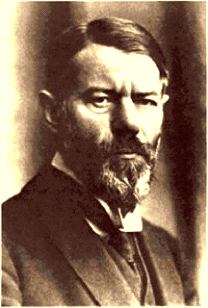 hey view
this as a cyclical process
spanning many thousands of eras.
Sociologist Max
Weber (1864-1920)
divided legal authorities into
three categories, which can be
seen as further insight into the
historical process of sliding
down or eroding into the
immoral, chaotic, and impersonal
uncertainty of authority. hey view
this as a cyclical process
spanning many thousands of eras.
Sociologist Max
Weber (1864-1920)
divided legal authorities into
three categories, which can be
seen as further insight into the
historical process of sliding
down or eroding into the
immoral, chaotic, and impersonal
uncertainty of authority.
According to
Weber, the charismatic
authority of dictators
evolved from the traditional
authority of the Church
and the nobles with respect for
the person of God. This is
exemplified by the authority of
dictators like Hitler, Napoleon,
Stalin, and Mao, who defied the
holiness. Once this authority is
overturned, it results in the
legal-rational authority
of an institutionalized
government. This type of
government controls itself
rather than the individual
person at its service. Thus,
with a historical sense of the
order of time, we arrive at
formalism from personalism, the
reality of a culture of settled
state officials, which was
decried in Douglas Adams's
1979/2005 book and motion
picture "The
Hitchhikers Guide to the
Galaxy".
Ignorant of the impurely lived
religious remedies and fixated
on problems, we are ripe for the
psychologist, which reveals that
we are still entangled in a
certain ego-determined form of
internal division. From a social
psychological perspective, one
can discern five forms of
exercising power: the power to
reward, the power to punish,
the power to delegate,
the power of merit, and
the power of expertise.
Postmodern dissension and
fallenness are characterized by
an eroded state that delegates
to local authorities. This state
rewards those who adapt and
punishes transgressors. However,
it is impersonal in its
administration and faces popular
compensation of dubious charismatic
celebrities. These celebrities
only pose a threat to the legal
order when they acquire expertise
in relating to the popular vote,
upon which the state itself is
also based. Despite all
the scientific analysis of the
problem, we have not yet escaped
the postmodern depression of the
modern intellect. Whether we are
in denial about the depression or
not, we may see the matter as
inevitably inherent in the spoiled
nature of man, as described by Niccolò
Machiavelli
(1469-1527), of
lusting for power without
realizing that the ideal of a
utopian state was never lost. This
ideal was expressed by utopists
such as Aldous
Huxley
(1894-1963), who wrote in Brave
New World
that "promiscuity is your duty,"
and B.
F. Skinner
(1904-1990), who wrote in Walden
Two that "no individual
parenting" is necessary. These
utopists were not as effective in
reasoning out the matter as the
original utopian Thomas
More
(1478-1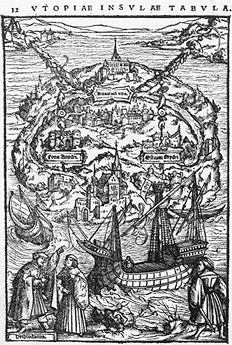 535) in
his 1516 work Utopia
("Neverland"). The ideal of a
god-conscious world without
tyranny, superfluous wealth, or
landowners is difficult to attain
but cannot perish because it
serves a basic psychological need.
As we saw when discussing the
self-ideal in Section III-A, this
ideal is an integral part of our
existence and surfaces in
postmodern science fiction
television series such as
Star Trek .
Without dreams, a person is as
good as dead. However unrealistic
More's utopia of the god Mythra
may seem, it still constitutes an
indispensable aim and cultural
root all political movements, more
or less consciously, depart from
and strive for. In politics, each
person has an ideal of order and
authority, as well as an ideal of
freedom and happiness, in mind.
This is not strange to the person,
but rather just. However, in
modern times, the
relativistic division of time and
place, as exemplified by the
standard political use of
pragmatic and economic arguments,
does not serve justice to the
individual in his control with the
ether and in his natural
functioning with brain hemispheres
that are fully occupied with
linking space to time. With all
goodwill, one wishes to do justice
to the person, motivated by the
good. However, this does not imply
immediate agreement on what that
order would be and how it should
be respected. It also does not
imply agreement on how to combine
the elements of freedom and
bondage in a coherent policy that
is acceptable to both natural
science and spirituality (reality
according to its principles). Even
though Jesus said that God the
Father's will must be done on
earth as it is in heaven, one is
not immediately familiar with the
verse by Vyâsa, which combines
respect for place and time with
respect for the person (S.B.
4.8: 54):
"Om namo bhagavate vâsudevâya"
(my respects to Vâsudeva, the
Supreme Lord). With this mantra,
called the dvâdas'âksara-mantra,
the learned person should show
respect for the Lord's physical
nature, the way it should be done
with diverse paraphernalia, and
how to adapt to differences in
place and time (des'a-kâla-vibhâgavit)." 535) in
his 1516 work Utopia
("Neverland"). The ideal of a
god-conscious world without
tyranny, superfluous wealth, or
landowners is difficult to attain
but cannot perish because it
serves a basic psychological need.
As we saw when discussing the
self-ideal in Section III-A, this
ideal is an integral part of our
existence and surfaces in
postmodern science fiction
television series such as
Star Trek .
Without dreams, a person is as
good as dead. However unrealistic
More's utopia of the god Mythra
may seem, it still constitutes an
indispensable aim and cultural
root all political movements, more
or less consciously, depart from
and strive for. In politics, each
person has an ideal of order and
authority, as well as an ideal of
freedom and happiness, in mind.
This is not strange to the person,
but rather just. However, in
modern times, the
relativistic division of time and
place, as exemplified by the
standard political use of
pragmatic and economic arguments,
does not serve justice to the
individual in his control with the
ether and in his natural
functioning with brain hemispheres
that are fully occupied with
linking space to time. With all
goodwill, one wishes to do justice
to the person, motivated by the
good. However, this does not imply
immediate agreement on what that
order would be and how it should
be respected. It also does not
imply agreement on how to combine
the elements of freedom and
bondage in a coherent policy that
is acceptable to both natural
science and spirituality (reality
according to its principles). Even
though Jesus said that God the
Father's will must be done on
earth as it is in heaven, one is
not immediately familiar with the
verse by Vyâsa, which combines
respect for place and time with
respect for the person (S.B.
4.8: 54):
"Om namo bhagavate vâsudevâya"
(my respects to Vâsudeva, the
Supreme Lord). With this mantra,
called the dvâdas'âksara-mantra,
the learned person should show
respect for the Lord's physical
nature, the way it should be done
with diverse paraphernalia, and
how to adapt to differences in
place and time (des'a-kâla-vibhâgavit)."
As we saw
in the discussion about the
fields of action in
Section I-B, there is no
immediate agreement on how to
describe the political field.
The left-right spectrum is
described by the Eysenk model,
the Nolan distribution, the
Political Compass, the De
Pournelle chart, the Inglehart
values, and the Frisian
Institute, among others (see
Wikipedia: Political
Spectrum).
These models are rather
structuralist. All of these
models have in common that they
lack a certain philosophical
clarity and unequivocality.
However, this clarity has
existed since Aristotle, who
stated in "About the Cosmos": "...that
the most admirable political
solidarity is that which
brings about a unity from
diversity and an equality from
inequality, capable of
withstanding each natural or
coincidental occurrence ."
,and: "In matters as great as
these, nature teaches us that
equality is the guardian of
solidarity, and that
solidarity is the guardian of
the cosmos - the progenitor of
all things and of beauty to
the highest de gree."
As we concluded in A Small
Philosophy of Association, we
axiomatically derive from the
dictum "unity in diversity," not
just from European theorists of
democracy like Aristotle and
Alexis de Tocqueville, but also
from the Vedas. On this basis,
we have two dualities:
quantitative - individual as
opposed to social - and
qualitative - concrete matter as
opposed to abstract ideals. It's
as if two intertwined yin-yang
symbols are at play (see the fields-table).
Incorporating the Chinese
philosophy of balance in nature
from Lao
Tzu
(6th century BCE) and the
reflection of this balance in Confucius's
(551-479 BCE) cultural
teachings, as also the
Japanese Shinto philosopher Kanetomo
(1435-1511), who said that
equilibrium is divinity, we can
now clearly and correctly refer
to this matter. Thus, the
confusion of thought models
concerning the political order
and the exercise of authority in
the modern state must come to a
close. Reasoning from the Vedic
root, it is clear that a
political struggle has ensued
among interest groups that are
no longer fully in touch with
their
status orientation
or integer with the fields of
action. This can be more or less
easily recognized in the
rational/legal authority of
state departments. Political,
official, and lawful powers are
different forms of governance,
as Charles
Montesquieu
(1689-1755) recognized in his trias
politi gree."
As we concluded in A Small
Philosophy of Association, we
axiomatically derive from the
dictum "unity in diversity," not
just from European theorists of
democracy like Aristotle and
Alexis de Tocqueville, but also
from the Vedas. On this basis,
we have two dualities:
quantitative - individual as
opposed to social - and
qualitative - concrete matter as
opposed to abstract ideals. It's
as if two intertwined yin-yang
symbols are at play (see the fields-table).
Incorporating the Chinese
philosophy of balance in nature
from Lao
Tzu
(6th century BCE) and the
reflection of this balance in Confucius's
(551-479 BCE) cultural
teachings, as also the
Japanese Shinto philosopher Kanetomo
(1435-1511), who said that
equilibrium is divinity, we can
now clearly and correctly refer
to this matter. Thus, the
confusion of thought models
concerning the political order
and the exercise of authority in
the modern state must come to a
close. Reasoning from the Vedic
root, it is clear that a
political struggle has ensued
among interest groups that are
no longer fully in touch with
their
status orientation
or integer with the fields of
action. This can be more or less
easily recognized in the
rational/legal authority of
state departments. Political,
official, and lawful powers are
different forms of governance,
as Charles
Montesquieu
(1689-1755) recognized in his trias
politi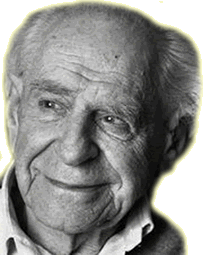 ca
of legislative, executive, and
judicial state powers, even
though they all receive income
from the same state.We have
officials who engage with laws
and play their roles in
discussion chambers. There are
also officials who
execute matters of state for a
state department, regardless of
their personal or political
preferences. Finally, we have
judges who guard human rights to
prevent a dictatorship of
officials or civil initiatives.
The ideal is to have a healthy
common sense when relating to
this political reality. The
problem with achieving this
ideal is the illusions (mâyâ and
moha) of people caught
in the false ego (ahankâra)
and its ideologies (”-isms”).
One cannot find the balance
between the end of a cherished
vision and the fundamental means
of its opulence. This appears to
be the only logical and
filognostical answer to the
matter. If we face reality as
the holy purpose and holy grail
of democracy in a scientific
way, understanding all the
escapades of the modernist ego,
then we needn't fear what
psychologist and philosopher Karl
Popper
(1902-1994) warned against in
his plea for an "open society"
of liberal democracy. ca
of legislative, executive, and
judicial state powers, even
though they all receive income
from the same state.We have
officials who engage with laws
and play their roles in
discussion chambers. There are
also officials who
execute matters of state for a
state department, regardless of
their personal or political
preferences. Finally, we have
judges who guard human rights to
prevent a dictatorship of
officials or civil initiatives.
The ideal is to have a healthy
common sense when relating to
this political reality. The
problem with achieving this
ideal is the illusions (mâyâ and
moha) of people caught
in the false ego (ahankâra)
and its ideologies (”-isms”).
One cannot find the balance
between the end of a cherished
vision and the fundamental means
of its opulence. This appears to
be the only logical and
filognostical answer to the
matter. If we face reality as
the holy purpose and holy grail
of democracy in a scientific
way, understanding all the
escapades of the modernist ego,
then we needn't fear what
psychologist and philosopher Karl
Popper
(1902-1994) warned against in
his plea for an "open society"
of liberal democracy.
He stated that the
reality of evolving forms of the
state being lawful, as
envisioned by the evolutionary
models of Marx and Hegel, does
not imply that one can design a
future for oneself. According to
Popper, utopia is a potentially
dangerous and totalitarian
vision of reality because it
implies that the freedom of the
individual must repeatedly be
sacrificed for the sake of a
higher purpose. If one leaves
man to his lustful nature,
nothing will come of the
envisioned state. This must be
confirmed from the Vedic axiom.
The focus is not on creating
another world and rejecting a
questionable form of freedom by
overturning the regime with a
violent revolution. The interest
lies in casting off,
individually and subculturally
or collectively, the shackles of
illusions upheld by the
profit-driven mindset. This
allows one to face the original
reality and find happiness, even
if it is not the happiness of
each individual. Ultimately, it
may lead to a different time or
world. One cannot improve the
world by turning away from it -
neither as a socialist nor an
individualist - nor by pushing
against it. One must see the
world as it is and improve one's
own life. In doing so, one can
serve as an example and support
for others, and find happiness
in living a life that is more in
line with one's own nature. And
so it is, not just as Vyâsa put
it with his concepts of svadharma
and svarûpa (one's own
nature and form), but also as
the philosopher Seneca stated in
A Happy Life III.3 when talking
about that better life later on
in history. As Popper indicated
with his idea of "piecemeal
engineering," the gradual
realization of politically set
targets is also found in Vyâsa's
paramparâ (disciplic succession)
and the handing down of
spiritual authority. This allows
for a step-by-step cultural
evolution (B.G.
6: 25),
in which the individual is first
faced with a "bitter" hangover
from the lesson learned and may
only later harvest the "sweet"
fruits of better practice (B.G.
18:36-38).
This practice is filognosic,
personally conveyed, and
virtuous, and it involves
gratitude and servitude. It is
equal to the moksha of
individual liberation, or the
individual/subcultural
attainment of Vaikuntha, the
Vedic heaven of that order of
life. In this order, there is no
(vai-) dullness and sloth
(-kuntha), and therefore,
one has nothing to fear.
As we saw in the Small
Philosophy of
Association,
the fake democracy must be
remedied with a self-certain
sense of order and a settled,
representative democracy. In
this democracy, the concept of
freedom is bound to order, not
chaos. This idea was also
confirmed in 2003 by Muslim
writer and journalist
Fareed
Zakaria
in his book The Future of
Freedom. From a
filognostic perspective, this
gradual "soft" revolution, this
conversion of societal opinion
and development of democracy,
does not differ much from what
Seneca likewise concluded in his
dialogues (III.3) out of love
for ethereal integrity: "Wisdom
means not straying from nature
and conforming to her law and
example."
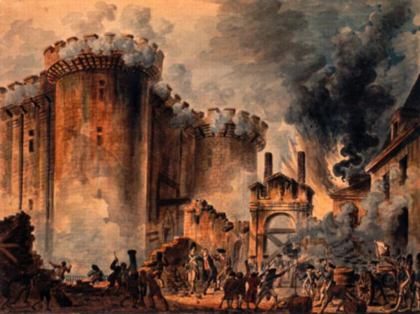
Thus it
was at the violent onset of the
French
Revolution,
when a clockmaker led the
storming of the Bastille in
1789. Although unsuccessful, a
decimal system was introduced
with the revolutionary clock and
calendar to restore the
authority of nature over man. As
Seneca said, it will always be
so in the renewed, less violent
efforts to make that revolution
of time a success. The future is
determined by the soft
revolution of gradualness, the
observation of inevitable facts
and trends, and the prominence
of natural and social realities
that cannot be denied or
compensated away. First and
foremost, this concerns the
highly personal future of a
self-realized individual who, by
gradually becoming a beacon for
others, learns to live closer to
the happiness of the natural
God. In the political era —
which, from a Vedic perspective,
has ruled since the Battle of
the Great War of the Mahabharata
and is called kali-yuga
— there will be an ongoing
discussion between doubters and
skeptics. Both have betrayed the
game's regulatory principles and
must face the karma thereof.
Without philosophy, they miss
what Seneca called her most
important achievement in "The
Way to Wisdom": gratitude
and the correct way to express
it.
The duty of loving
one's fellow man is to keep the
door open to Vaikunthha, a
utopia, and clear the p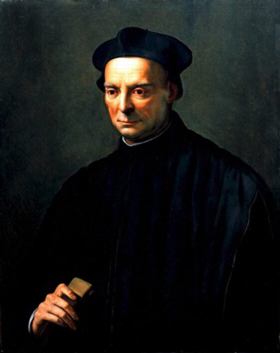 ath to
it. It is not to impose it by
means of law. As Niccolò
Machiavelli
(1469-1529) wrote in The
Prince, political leaders
should not consider anything
other than the practical use of
maintaining the status quo, even
if it means defying the ethical
code. Consequently, leaders
should not try to improve
citizens or tempt them into
further corruption. The moral
judgment is reserved for the
intellect, not the ruler who
takes advice from it. The
utilitarian notion of state
power, directed towards
practical use, consists of
making the best of the state
with the way people happen to
be, rather than trying to teach
them enlightenment and educate
them for the sake of another
world. However, one cannot
object to it as a manifestation
of "free enterprise" and "free
organization." Everyone must
follow their own dictates
because only then will we be
free from dictatorship. Only
then will we understand that the
jailhouse of standard time,
which imprisons all politically
opposing materialists in a
relativistic denial of the
ether, cannot be broken down
easily, as one would not with
any other jailhouse. Only then
can we understand F. Nietzsche's
plea for self-realization as an
act of goodness. As we
explained in the previous
section, the game of order is
not so much about educating the
human being as it is about
respecting him in both his
fallen and elevated states. This
is done by relativizing the
concepts of higher and lower,
abstract and concrete, and
upward and downward. These
concepts are seen as free and
equal options open to personal
evolution. God's blessing is
present through the faculty of
right discrimination. Only with
such respect for the fullness of
life of the common man, who can
be saintly while living a
concrete and material life, and
the educated man, who can be
saintly with or without much
experience while being highly
committed and having a high
level of self-respect and
respect for the (filognostic)
person of God, can we speak of a
truly successful policy. As
Seneca said in A Happy Life
(V), A Happy Life (V):
'Thus one force will come
about, one harmonious potency,
and thus a reason that is
dependable will find
it's existence which is not
divided in itself and is not
caught in ideas, concepts or a
conviction. And when this has
spread itself throughout the
complete and is connected with
her parts, and, if I may use
the figure of speech, when
everything sings the same
song, she has attained the
highest good. For nothing low
awaits her anymore, no
lubricity, nothing from which
she would reel or slip.'
From the Vedic perspective, we
must add that utopia exists for
individuals who live up to the
filognostic notion of order -
the order of views
relating to the order of nature
- but it is never realistic for
those who are not conversant
with it and do not cherish such
a lucid mind about the ultimate
filognostic reality. As proven
by the oldest Vedic and later
Greek and Roman scriptures, this
reality has always existed,
exists now, and will exist as a
bright and radiant future. With
the filognostic revolutions
currently taking place in
different societal realms, as
discussed here, the political
saying goes: Stand up for your
rights and stop fighting each
other. Do not fight each other
with illusions; rather, fight
illusions together. After all,
we are Homo sapiens, knowing
man. ath to
it. It is not to impose it by
means of law. As Niccolò
Machiavelli
(1469-1529) wrote in The
Prince, political leaders
should not consider anything
other than the practical use of
maintaining the status quo, even
if it means defying the ethical
code. Consequently, leaders
should not try to improve
citizens or tempt them into
further corruption. The moral
judgment is reserved for the
intellect, not the ruler who
takes advice from it. The
utilitarian notion of state
power, directed towards
practical use, consists of
making the best of the state
with the way people happen to
be, rather than trying to teach
them enlightenment and educate
them for the sake of another
world. However, one cannot
object to it as a manifestation
of "free enterprise" and "free
organization." Everyone must
follow their own dictates
because only then will we be
free from dictatorship. Only
then will we understand that the
jailhouse of standard time,
which imprisons all politically
opposing materialists in a
relativistic denial of the
ether, cannot be broken down
easily, as one would not with
any other jailhouse. Only then
can we understand F. Nietzsche's
plea for self-realization as an
act of goodness. As we
explained in the previous
section, the game of order is
not so much about educating the
human being as it is about
respecting him in both his
fallen and elevated states. This
is done by relativizing the
concepts of higher and lower,
abstract and concrete, and
upward and downward. These
concepts are seen as free and
equal options open to personal
evolution. God's blessing is
present through the faculty of
right discrimination. Only with
such respect for the fullness of
life of the common man, who can
be saintly while living a
concrete and material life, and
the educated man, who can be
saintly with or without much
experience while being highly
committed and having a high
level of self-respect and
respect for the (filognostic)
person of God, can we speak of a
truly successful policy. As
Seneca said in A Happy Life
(V), A Happy Life (V):
'Thus one force will come
about, one harmonious potency,
and thus a reason that is
dependable will find
it's existence which is not
divided in itself and is not
caught in ideas, concepts or a
conviction. And when this has
spread itself throughout the
complete and is connected with
her parts, and, if I may use
the figure of speech, when
everything sings the same
song, she has attained the
highest good. For nothing low
awaits her anymore, no
lubricity, nothing from which
she would reel or slip.'
From the Vedic perspective, we
must add that utopia exists for
individuals who live up to the
filognostic notion of order -
the order of views
relating to the order of nature
- but it is never realistic for
those who are not conversant
with it and do not cherish such
a lucid mind about the ultimate
filognostic reality. As proven
by the oldest Vedic and later
Greek and Roman scriptures, this
reality has always existed,
exists now, and will exist as a
bright and radiant future. With
the filognostic revolutions
currently taking place in
different societal realms, as
discussed here, the political
saying goes: Stand up for your
rights and stop fighting each
other. Do not fight each other
with illusions; rather, fight
illusions together. After all,
we are Homo sapiens, knowing
man.
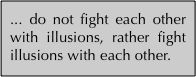
Originally,
time was a religious concept from
a societal perspective, and
politicians differed little from
priests in ancient Rome, for
example. Plato and Socrates said
that the ultimate order of things
was under the jurisdiction of the
god Apollo. This indicates that
time, the ether, and the
associated concept of societal
order are essentially matters of
religiosity. In modern science,
this is known as the Apollonian
principle, which, with these
philosophical founding fathers of
that idea, consciously commits
itself to the divine . In The
Republic,
Plato put forward the political
values of wisdom, courage,
moderation, and justice. But what
were the precursor values before
them, and how did they evolve? The
The
Filognostic Manifesto
this section opens begins with a
historical overview of human
values that clarifies the
evolution of knowledge about time.
Ultimately, if we take a sober
look into the future with our
filognosy in the following pages,
we will have a world order that,
having arrived at a galactocentric
consciousness,
is based on a systematic
and programmed
respect for human rights and civil
identity. We will establish an
order in which the cultures of the solar and lunar calendars are
reflected. In this order the
year count will no longer be
linked exclusively to a
particular religious preference.
In this non-repressive dualistic
governance, there will not be a
single time system that rules and
commands. Rather, there will be an
attitude that is more naturally
conscious of social relativism and
multicultural solidarity based on
freedom of choice. Political
parties will no longer struggle
to be elected. Instead, the
people will be more structurally
aware of each other's ideologies.
Together, they will fight to
overcome the illusions of false
unification and unemployment that
deny diversity. The postmodern
diseases of estranged
materialistic cynicism and
anarchistic relativism will be
overcome for
the benefit of the splendor
of a more realistic,
rational, identity-conscious, and
personally bound representative
world democracy. This system of
state management will offer a
better-balanced, good, and natural
order of time and will serve as a
recollection and
respectful remembrance for
its (also digital) citizens. It
will offer everyone a life free
from fear and confusion in harmony
with filognostic self-control and
the primal ether force field, now
called the Higgs field.
Footnote:
*:
Entropy: based on the natural
propensity for disorder of all
material systems.
Pictures:
-
The first untitled
painting of an unfinished structure is
of Keith Haring (site), 1989, acryl on
canvas, 39 1/2 x 39 1/2, and is © of
the Keith Haring estate.
-
The picture of a seashell represents a
conch or conchshell. It is
used as a signal horn in vedic
sacrifices and represents one of the
standard attributes of Lord Vishnu by
means of which He summons for the
fight.
-
The nineteenth century young man is a
picture of Alexis de
Tocqueville, it is a
photograph of an etching of the 1899
edition of "Democracy In America".
-
The man with the mustache is Friedrich
Nietzsche
(painter unknown), the way
he is also seen on many a photograph.
-
The picture of the man with the folded
hands is of Johannes Moreelse
(1602-1634) and titled: Herakleitos.
-
Redon, Odilon: the Cactus Man
1881, charcoal, 49 x 32.5 cm, The
Woodner Family Collection, New York.
-
Holbein d. J., Hans 1497/98 1543: Portrait
of
Desiderius Erasmus.
-
The picture of 'the king of the world'
is an etching from the book Leviathan
of Thomas More.
-
The picture of the serious man is a
photograph of Max Weber
(1864-1920).
-
The Island of Utopia,
1518, woodcut, 17,8 x 11,8 cm.
Öffentliche Kunstsammlung, Basel.
-
The friendly looking man following
after the yin-yang-symbol is a picture
of the philosopher/psychologist Sir
Karl Popper.
-
The painting with the castle is of
Jean-Pierre Louis Laurent Houel
(1735-1813), and is titled 'Storming
of the Bastille'. At home
in the Bibliothèque Nationale
Française. Catalogue number 07743702;
water colors; 37,8 x 50,5 cm.
Published 1789. In the middle one can
see how Bernard René Jourdan, marquis
de Launay is arrested (1740-1789).
-
Ridolfo del Ghirlandaio (Ridolfo
Bigordi detto, Firenze, 1483 - 1561) Portrait
of Niccolò Macchiavelli,
Oil on panel, cm. 85 x 67. London,
private collection.
The site linear as a
perfection of the causal illusion:

|